Les religions du Proche-Orient ancien sont les pratiques religieuses s'étant développées dans la région du Néolithique à l'Antiquité. Elles sont essentiellement polythéistes, avec quelques exemples de monolâtrisme (Marduk, Assur) et monisme (culte d'Aton) primitifs. Selon certains spécialistes, les similarités entre ces religions indiqueraient qu'elles pourraient être reliées.
Généralités
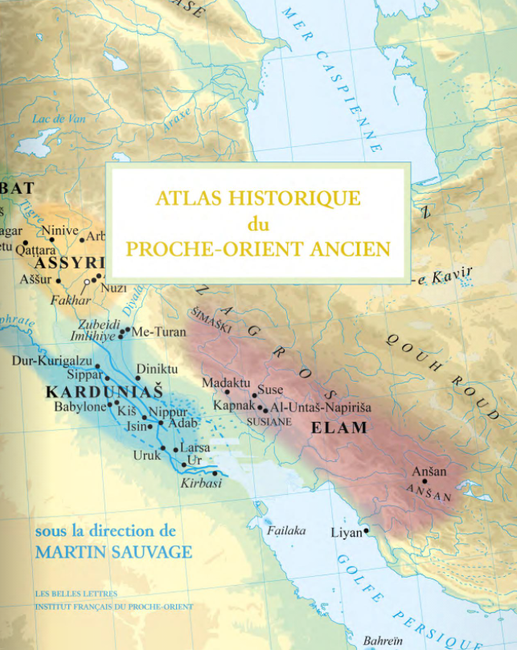
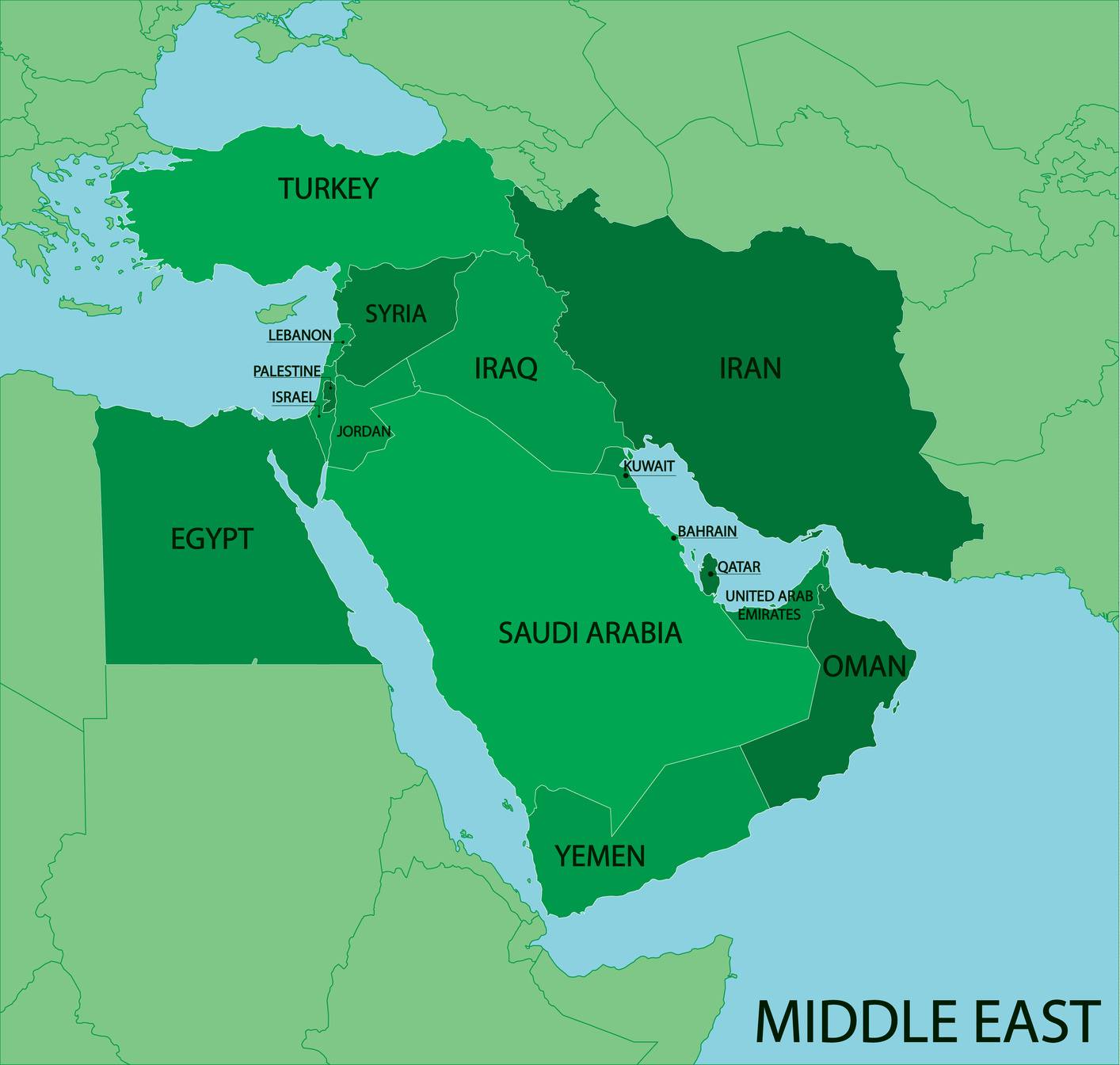
L'histoire du Proche-Orient ancien s'étend sur deux millénaires, de l'âge du bronze à l'âge du fer, dans la région actuellement connue comme Moyen-Orient, centrée autour du Croissant fertile. Elle concerne un ensemble de cultures et de civilisations hétérogènes, qui ont eu toutefois des contacts réguliers entre elles.
Le Proche-Orient ancien inclut les sous-régions suivantes :
- Mésopotamie (Sumer, Assyrie, Babylone, Akkad)
- Iran antique (Élam et Perse)
- Égypte antique
- Levant (Canaan, Ougarit, Ebla, Mitanni, Phénicie)
- Anatolie (Hittites, Assuwa, Arzawa, Phrygie, Lydie)
- Caucase et haut-plateau arménien (Urartu)
- Chypre
- Israël antique
Annexes
Liens internes
- Proche-Orient ancien
- Religion en Mésopotamie, religion sumérienne
- Religion de l'Égypte antique
- Religion hittite
- Religion hourrite
- Religion cananéenne
- Religion phénicienne
- Religion élamite
- Religion de la Perse achéménide
- Religion ougaritique
Liens externes
- Mespototamian Religion et Mesopotamian Pantheon, Ancient History Encyclopedia
- American Schools of Oriental Research, Boston University
- Traditions of Magic in Late Antiquity, University of Michigan
- The Edinburgh Ras Shamra Project
- Canaanite/Ugaritic Mythology FAQ
- Canaan and Ancient Israel, University of Pennsylvania Museum of Archaeology and Anthropology
Références
Bibliographie
- Morton Smith, The Common Theology of the Ancient near East, Journal of Biblical Literature,
- James B. Pritchard, The Ancient Near East : An Anthology of Texts and Pictures, New Jersey, Princeton University Press,
- E. O. James, The Ancient Gods : The History and Diffusion of Religion in the Ancient Near East and the Eastern Mediterranean,
- Cyrus Gordon, The Ancient Near East, New York, W. W. Norton and Company, Inc.,
- James B. Pritchard, The Ancient Near East, Volume II : A New Anthology of Texts and Pictures, New Jersey, Princeton University Press,
- Mark S. Smith, The Ugaritic Baal Cycle, Leyde, E.J. Brill,
- Jack Sasson et al., Civilizations of the Ancient Near East, New York, Charles Scribner's Sons,
- Karel van der Toorn, Dictionary of Deities and Demons in the Bible, New York, E.J. Brill, (ISBN 0-8028-2491-9)
- Simon B. Parker, Ugaritic Narrative Poetry, Society of Biblical Literature,
- Dennis Pardee, Ritual and Cult at Ugarit, Atlanta, Society of Biblical Literature,
- (en) Mark S. Smith, God in translation : deities in cross-cultural discourse in the biblical world, Tübingen, Mohr Siebeck, , 382 p. (ISBN 978-3-16-149543-4, lire en ligne)
- Catherine Saliou, Le Proche-Orient : De Pompée à Muhammad, Ier s. av. J.-C. - VIIe s. apr. J.-C., Belin, coll. « Mondes anciens », , 608 p. (ISBN 978-2-7011-9286-4, présentation en ligne), chap. 3 (« Polythéisme, monothéismes : multiplicité des cultes et innovations religieuses »).
- Portail du Proche-Orient ancien
- Portail du Moyen-Orient